
The Archive of Private Jokes
Luckiest Girl AliveNotes and yearbook markings move from private teenage humor to incriminating evidence, demonstrating how context can collapse when institutions reinterpret a shared language.
increasing Bearing strength in each event
 decreasing
Bearing strength in each eventdecreasingA Private Language
A Private Language
Notes Passed in Class
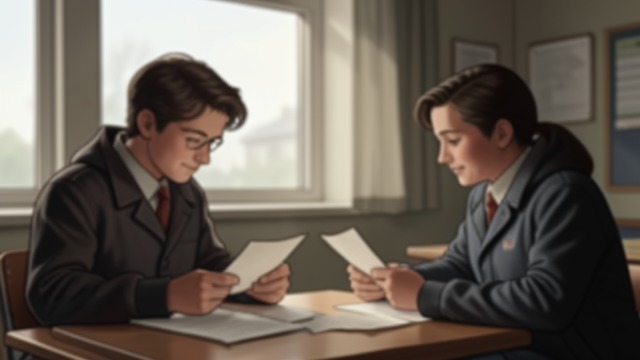
TifAni FaNelli and Arthur exchange notes about classmates, school gossip, and their own frustrations. Their writing is playful, sharp, and sometimes cruel.
A Friendship's Idiom
They use exaggeration as part of their private rapport. Neither expects their jokes to be read later as a literal plan for violence.
A Violent Joke

A Violent Joke
Frustration on Paper
TifAni FaNelli writes that she is considering transferring after Dean Barton insults her. Arthur answers with a joke about killing their classmates and says he has his father's gun.
Meaning Unsettled
The exchange is frightening in retrospect, yet TifAni FaNelli remembers it as a joke. Its meaning depends on context she did not know at the time.
The Yearbook Defaced
The Yearbook Defaced
Shared Mockery
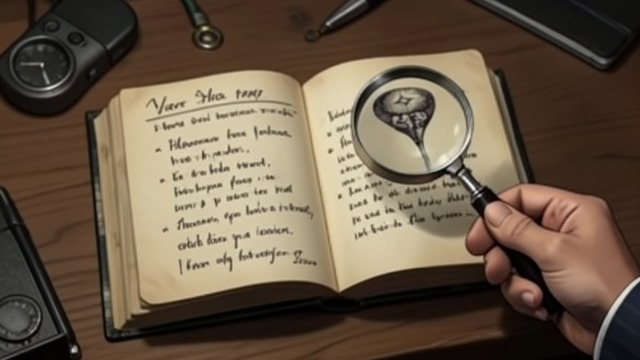
TifAni FaNelli and Arthur draw and write insults in the Bradley yearbook. Their entries reflect adolescent cruelty and the group's casual use of sexualized, violent language.
An Object Preserved
The yearbook keeps those jokes after the friendship ends. The private artifact becomes a durable record whose later interpretation neither writer controls.
Police Read the Pages

Police Read the Pages
Evidence Presented
Detective Vencino reads the yearbook lines aloud and links them to TifAni FaNelli's handwriting. Notes that once belonged to friendship become potential evidence of participation.
Context Rejected
TifAni FaNelli tries to explain the tone, but investigators focus on the literal words and her fingerprints. Her private language becomes a public accusation.
A Story Reconsidered

A Story Reconsidered
Memory with Consequences
TifAni FaNelli looks back at the notes and recognizes both their joking intent and the real danger they now carry. Her own attempts at humor did not predict the attack, but they remain part of the record.
Context and Responsibility
The novel resists treating words as either harmless or definitive proof. Meaning depends on relationship, intent, and what the speakers could actually know.
During freshman fall at The Bradley School
October 29, 2001
The autumn weeks before the Bradley attack
During the second police interview after the attack
Fourteen years later, as the documentary revisits Bradley
